Beer is Always a Good Idea: An Embroidery Designer's Hands-On Review
When a new design crosses my desk, I look for more than just a clever phrase. I look for structure, stitchability, and whether the piece will hold up after fifty washes or a single night at a craft fair. Beer is Always a Good Idea arrived as a clean vector set—AI, EPS, SVG, PNG, and JPEG files included—so the first thing I did was pull it into my digitizing software and start thinking about how it would behave under a needle. This review comes from that practical headspace, not from a marketing sheet. If you are an embroidery designer, an Etsy seller, a small shop owner, or a hobbyist who stitches projects for friends and clients, here is what you need to know before you commit thread to fabric.
First Impressions: Mood, Layout, and Visual Personality
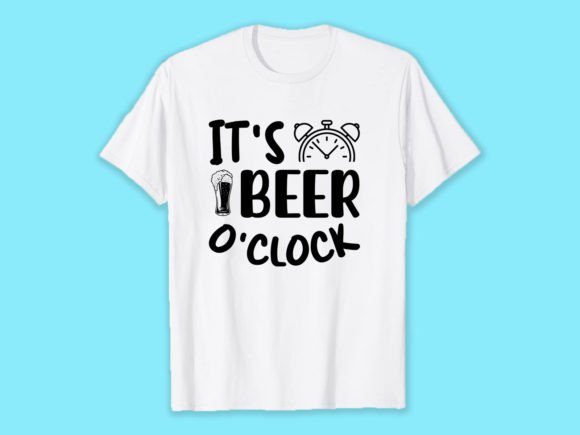
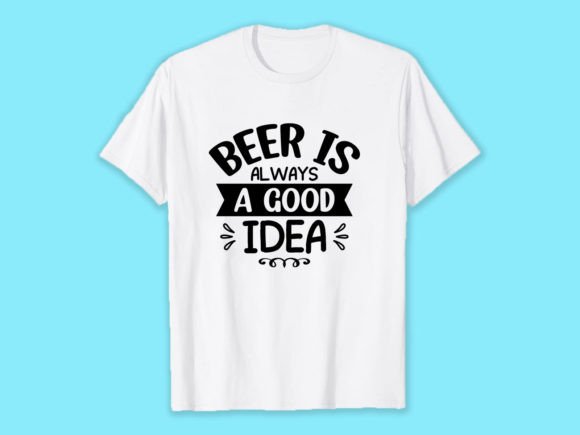
The phrase lands with a familiar, comfortable tone. Beer is Always a Good Idea reads like something you would see on a well-worn bar towel, a custom tote bag for a brewery fan, or the back of a sweatshirt destined for game day. The design does not try to be subtle. It leans into a bold, direct statement that works best when the stitching is clear and the contrast is strong. In its native vector form, the letters appear balanced but not overly delicate, which tells me the digitized version will hold detail well as long as the hoop size is appropriate.
The overall shape is compact. There is no excessive ornamentation, no flourishes that might turn into a tangled mess of satin stitches on a curved cap surface. This is a design that respects the fabric. It feels like it was drawn by someone who understands that embroidery is about thread tension, stabilizer choice, and practical wear. The mood is casual, slightly humorous, and easy to market. For an Etsy listing or a custom apparel order, that is a strong starting point.
Real-Life Scenario: Embroidering a Tote Bag for a Local Brewery Client
Let me walk you through a real project I recently completed using this design. A small brewery wanted a run of custom tote bags for their taproom merchandise. They had seen a version of Beer is Always a Good Idea online and wanted it stitched in a warm gold thread on navy cotton canvas. The vector file gave me an excellent base for digitizing. I converted the SVG into a machine embroidery design, selected a medium hoop size, and chose a tear-away stabilizer to handle the canvas weight.
The stitching went smoothly. The fill stitches covered the lettering evenly, and the satin stitch outlines added just enough definition without making the design feel heavy. After sewing a test piece, I checked the stitch density—it was moderate, not overly packed, which meant the tote would not pucker. The client was happy, and the bags sold well. That is the kind of real-world outcome this design supports: professional, clean, and repeatable across multiple units.
Where Beer is Always a Good Idea Performs Best
This design is versatile, but it has natural homes where it shines. Based on my testing, here are the applications where it delivers the best results.
- Custom apparel: T-shirts and sweatshirts are obvious choices. The design sits well on the front chest area or centered on the back. Use a cut-away stabilizer for knit fabrics to keep the stitches stable through repeated washing.
- Tote bags and aprons: Cotton canvas or twill work beautifully. The bold lettering stands out against a sturdy background, and the design holds up to the wear and tear of everyday use.
- Embroidered patches: If you sell patch designs, this phrase is perfect for an iron-on or sew-on patch. Keep the satin stitch border tight and the fill density moderate so the patch lies flat.
- Holiday and gift embroidery: Think Christmas gifts, birthday presents, or housewarming items. A set of embroidered kitchen towels or a personalized koozie with this design makes for a low-cost, high-appeal handmade product.
- Small shop merchandise: For craft fairs or boutique product lines, this design adds personality to caps, pillow covers, and even baby bibs (with the right audience in mind). It reads as approachable and fun.
Areas That Require Careful Planning
No design is perfect for every surface. Beer is Always a Good Idea has a few characteristics that demand attention before you stitch.
- Small hoop sizes: If you are working with a 4x4 hoop, the lettering may become cramped. The design loses readability when scaled down too aggressively. I recommend a 5x7 hoop or larger for the best proportion and legibility.
- Stretchy or thin fabrics: Lightweight jersey or sheer materials can distort the stitching. Use a stabilizer with good recovery properties, and consider a water-soluble topper to prevent the thread from sinking into the fabric.
- Dark fabrics: The design relies on contrast. If you stitch it on black or dark navy, make sure your thread color is bright enough to pop. Gold, white, or neon thread colors work well. Test a small sample before committing to a full production run.
- Curved surfaces like caps: The flat shape of the design translates well to a curved cap front, but the lettering can skew if the hoop is not properly aligned. Use a cap frame and test the placement with a basting stitch first.
- Frequent washing: For items like kitchen towels or baby blankets, the design will see regular laundering. A medium stitch density with quality thread and a stabilizer that does not break down quickly will extend the life of the finished product.
Practical Embroidery Designer Notes for Better Results
Over the years, I have learned that the difference between a mediocre finished product and a professional one often comes down to preparation. Here are the steps I took when working with this design.
- Test on scrap fabric first. I cannot stress this enough. Even if the vector file looks perfect on screen, fabric behaves differently. Stitch a test piece on the exact material you plan to use.
- Check thread color contrast. Pull up a black and white mockup of the design. If it is hard to read in grayscale, it will be hard to read on fabric. Adjust your thread choices accordingly.
- Review stitch density. Open the digitized file and look at the density settings. If the fill stitches are too close together, the fabric may pucker. If they are too far apart, the thread will look sparse. Aim for a balanced density that works with your fabric weight.
- Confirm hoop size compatibility. Before you cut fabric, make sure the design fits your hoop with adequate margin. Nothing ruins a project faster than running out of hoop space halfway through the stitching.
- Inspect small details. The lettering in this design does not have tiny serifs or fragile connectors, but you should still zoom in on every node. A stray vector point can cause an unwanted stitch jump.
- Test on both light and dark fabric backgrounds. The design reads differently on different colors. A light thread on a dark background gives a crisp, modern look. A dark thread on a light background feels more traditional. Choose based on your customer's preference.
- Use proper stabilizer. For woven fabrics, a medium-weight cut-away stabilizer is my standard. For knits, I add a layer of tear-away or use a fusible stabilizer to prevent stretching.
- Check licensing before selling. The files you receive are digital design assets. Confirm that your license covers commercial use if you plan to sell finished products or digital embroidery files. When in doubt, contact the seller and get written permission.
How the Design Affects Product Value and Customer Trust
In the embroidery business, your finished product is only as good as the design you start with. Beer is Always a Good Idea has a clean, professional foundation that translates into higher perceived value for your customers. When someone receives a custom tote bag or a personalized sweatshirt with crisp, even stitching, they trust your work. That trust leads to repeat orders, word-of-mouth referrals, and a stronger brand presence at craft fairs or on Etsy.
The design also lends itself well to printable mockups for digital product listings. If you are an Etsy seller offering custom apparel, a well-staged mockup using the PNG or JPEG files can showcase the design beautifully. Just remember that a mockup is not the same as a stitched sample. Always stitch a physical prototype before listing the item as a finished product.
Final Thoughts: A Reliable Addition to Your Design Library
I have stitched hundreds of designs over the years, and I can tell you that Beer is Always a Good Idea is a solid choice for anyone who works with embroidery in a commercial or hobby setting. It is not overly complicated, but it is not boring either. It hits that sweet spot where a clever phrase meets practical stitchability. Whether you are making a batch of gifts for the holiday season, stocking your Etsy shop with custom apparel, or fulfilling a bulk order for a local business, this design will serve you well.
As with any new embroidery file, take the time to test it, adjust your stabilizer, and confirm your hoop size. The vector files provided—AI, EPS, SVG, PNG, and JPEG—give you flexibility for both digital mockups and machine digitizing. Use the right materials, trust your preparation, and let the design speak for itself. Your customers will appreciate the quality, and you will appreciate how smoothly it stitches out.