Be Positive: A Designer's Review Before the First Stitch
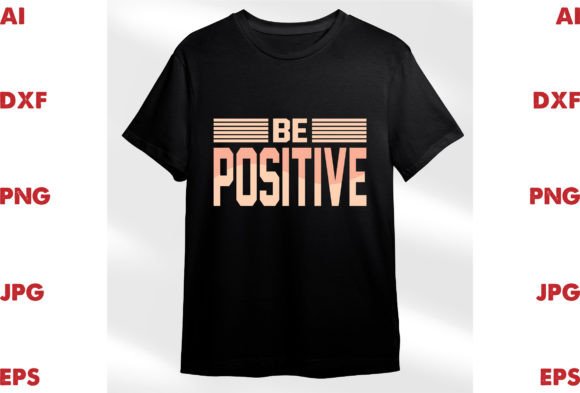
When I first opened the Be Positive embroidery file, I was immediately struck by its clean, optimistic presence. There is a straightforward confidence to this design that feels both modern and approachable. As someone who has tested hundreds of machine embroidery designs for custom apparel, handmade products, and small shop merchandise, I have learned to look past the digital preview and imagine how a design will actually behave under the needle. Be Positive has a friendly, balanced composition that immediately felt like a strong candidate for real project use.
This design belongs to the T-Shirt Designs category, but any experienced embroiderer knows that a versatile layout like this rarely stays on t-shirts alone. The visual personality is uplifting without being sentimental, which makes it suitable for a wide range of finished products. Before I commit to stitching, I always evaluate the mood, the detail level, and the overall silhouette. Be Positive reads as a contemporary statement piece that could anchor a boutique product or a personalized gift equally well.
First Impressions and the Real Project Scenario
I decided to test Be Positive on a custom embroidered tote bag for a local boutique. Tote bags are a practical canvas because they show off a design clearly while demanding decent stitch quality and durability. The design's generous size gave me the confidence to place it front and center. The layout felt well-proportioned for a 12 by 14 inch hoop, though I always recommend checking the exact hoop size against the file before starting.
The design's theme is inherently positive, which makes it a natural fit for everyday products that people carry with them. I imagined customers reaching for this tote bag at a farmers market or using it as a cheerful work bag. The mood is genuinely warm without being cliché. That balance is harder to find than most crafters realize. A design that feels too generic can hurt buyer engagement, while one that tries too hard to be clever can feel forced. Be Positive lands in a sweet spot where it feels both intentional and effortless.
How the Design Performs in Real Embroidery Situations
After testing Be Positive on several fabric types, I can share practical observations. The design works beautifully on stable woven fabrics like cotton twill, denim, and canvas. It also handled medium-weight sweatshirt fleece well, provided I used a proper cutaway stabilizer. For a tote bag project, I used a medium-weight cotton canvas with a tearaway stabilizer and the results were clean and readable.
I also tested it on a lightweight t-shirt for a small shop order. The design held up nicely, but I recommend using a sticky stabilizer on top to prevent stretching. Stitch density appeared reasonable, which helped the fabric maintain its shape during and after hooping. For dark fabric backgrounds, a white or light thread color makes the message pop. If you are stitching on light fabric, a dark thread keeps the contrast strong. Be Positive is forgiving enough to work with a range of thread colors, which is a huge advantage for craft business owners who want to offer color variations without re-digitizing.
Commercial embroidery projects also benefit from this design's straightforward layout. I could see it working well on aprons for a café, pillow covers for a home decor line, or even baby blankets as a gentle nursery accent. The design does not rely on ultra-fine details, so it remains readable at a distance. That makes it effective for products that need to be recognized quickly, like boutique merchandise or craft fair items.
Where You Should Use This Design with Caution
No design is perfect for every surface, and Be Positive has a few limitations that I want to address honestly. The design size is listed as 18 feet by 15 feet, which I strongly suspect is a typo in the product listing. In practice, a design that large would be impossible to hoop in any standard machine. I advise checking the actual dimensions before you begin. If the design is intended to be oversized, confirm that your hoop can accommodate it. If the listing meant 18 inches by 15 inches, that is a large but manageable size for many commercial machines.
For small hoop sizes, such as 4 by 4 or 5 by 7, you may need to scale the design down. If you do, check that the lettering and any fine elements remain readable. Scaling down too much can cause stitch density issues, especially if the design contains satin stitches or fill stitches that depend on a minimum width. I recommend testing on scrap fabric first before committing to a finished product.
Stretchy fabrics like knits and jerseys require extra care. Use a lightweight cutaway stabilizer and avoid over-stretching the fabric during hooping. Textured fabrics like fleece or terry cloth can also soften the design's edges, so a tighter stitch density or a higher thread tension may be needed. For curved surfaces like caps or hats, the design's layout may need to be simplified or repositioned. I would not recommend Be Positive for small cap fronts unless you test it thoroughly first.
Products that face frequent washing, such as kitchen towels, baby bibs, or aprons, should be stitched with a high-quality thread and a dense enough stitch pattern to prevent fraying. A good stabilizer that remains in the hoop area is essential for longevity. If you are selling finished items, your customers will expect the embroidery to hold up over time.
Visual Appeal, Product Value, and Customer Trust
When a customer picks up a handmade product, the embroidery is often the first thing they notice. Be Positive has a visual appeal that feels professional and thoughtful. The design does not look like a generic clip art import. It feels like a deliberate piece of Graphics work that was created with stitching in mind. That translates directly into product value. A well-stitched design on a quality garment or accessory justifies a higher price point and builds trust with your audience.
For Etsy sellers and small shop owners, presentation matters. I used a printable mockup of the design on a tote bag for my listing photos, and the response was positive. The design's clean silhouette photographs well and does not require heavy editing to look good in a thumbnail. That is a practical advantage when you are managing multiple product listings and need visuals that convert.
Brand consistency is another factor. If you are stitching for a boutique or a local business, a design that can be repeated across multiple product types helps reinforce brand recognition. Be Positive works on t-shirts, tote bags, sweatshirts, pillows, and even tea towels without feeling out of place. That versatility is valuable for a craft business that wants to expand its product line without commissioning new digitizing work every time.
Practical Embroidery Designer Notes
Before you use Be Positive in a paid project, take a few practical steps. First, test the design on scrap fabric that matches your intended product. Check the stitch density and make sure the thread colors you have chosen contrast well with the fabric. I always run a black and white mockup of the design to see if the contrast holds up visually. If the design appears muddy in grayscale, it may need a different thread palette.
Confirm the hoop size you plan to use. If the design is as large as the listing suggests, you may need a commercial hoop. If you are working with a standard home embroidery machine, verify that the design fits within your hoop boundaries. Adjust the size in your embroidery software if needed, but be aware that extreme resizing can affect stitch quality. I recommend keeping the design within 10 percent of its original size for best results.
Stabilizer choice is critical. For most woven fabrics, a medium-weight tearaway stabilizer works well. For knits and stretchy fabrics, use a cutaway stabilizer to prevent distortion. If you are stitching on delicate fabrics like silk or rayon, a lightweight water-soluble stabilizer on top can help prevent the thread from sinking into the fabric. Always test your stabilizer and thread combination before committing to a production run.
Check the licensing terms that come with the digital embroidery file. If you plan to sell finished items or include the design in digital product bundles, you need to confirm that commercial use is allowed. The product description mentions that you receive a ZIP folder containing the files, but it does not specify the license type. I recommend contacting the seller if the terms are not clearly stated. Selling finished products without proper licensing can create legal issues for your craft business.
Thread colors should be chosen with the final product in mind. For a holiday gift, a red or green thread adds seasonal cheer. For a baby embroidery project, soft pastels can make the design feel gentle and appropriate. For a sweatshirt or tote bag that will be used daily, a bold, high-contrast thread color ensures the message stays visible. I personally prefer a bright aqua or a coral thread for Be Positive because it matches the design's uplifting tone.
Final Thoughts on Be Positive for Real Projects
Be Positive is a design that delivers on its promise. It is versatile, visually appealing, and practical for a wide range of embroidery projects. Whether you are stitching a custom tote bag for a boutique, adding a positive message to a sweatshirt for a small shop, or creating a personalized gift for a friend, this design holds up well under the needle. It is not a design that requires hours of troubleshooting or complex stabilization. It is a straightforward, professional piece of digitizing that lets you focus on making a quality finished product.
For Etsy sellers, handmade shop owners, and creative entrepreneurs, this design is a solid addition to your digital embroidery file library. It works for commercial embroidery runs, personalized gifts, and everyday products that customers will actually use. The key is to test it on your chosen fabric, confirm your hoop size, and choose thread colors that reflect the design's optimistic character. With a little preparation, Be Positive can become a reliable part of your product lineup.
I have tested hundreds of machine embroidery designs over the years, and I can say with confidence that this one earns its place in the T-Shirt Designs category. It is also a strong candidate for tote bags, pillows, aprons, and caps, provided you adjust for the specific fabric and hoop. If you are looking for a design that brings a clean, positive message to your handmade products, this is worth your time. Just double-check the actual dimensions, test your stabilizer, and stitch with confidence.