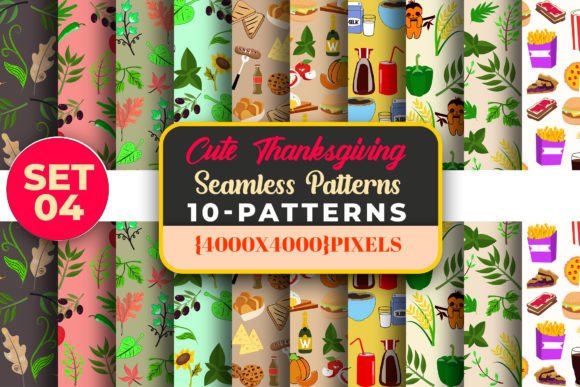
Thanksgiving Pattern Digital Paper-20: A Designer’s Review
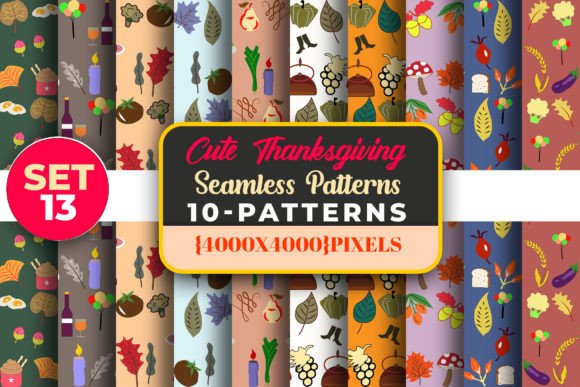
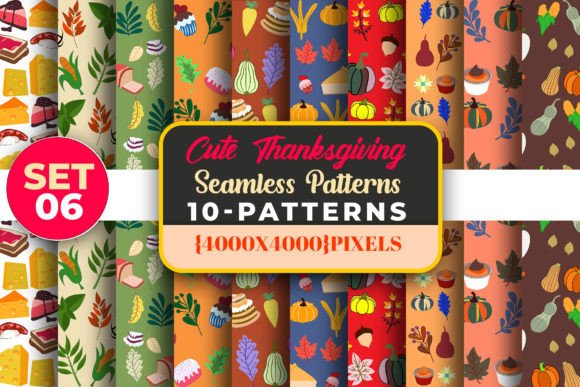
When I first opened Thanksgiving Pattern Digital Paper-20, I was immediately struck by its warmth. The color palette leans into the earthy, harvest-rich tones I expect from a well-crafted holiday design—deep oranges, muted golds, soft browns, and just enough cream to keep it from feeling heavy. As someone who has spent years turning digital files into stitched goods, I look for patterns that offer visual interest without overwhelming the fabric. This one lands in a sweet spot. It feels familiar enough to read as Thanksgiving instantly, but it avoids the cliché of being overly literal. There is a rhythm to the layout, a gentle repetition that suggests abundance without demanding perfection. That matters when you are about to commit it to thread.
This pattern sits comfortably in the Patterns category under Graphics, and it behaves like a true design asset. It is not trying to be a standalone illustration. It is a texture, a backdrop, a mood. And that makes it surprisingly versatile for embroidery, even though it was originally conceived for digital paper crafts like scrapbook layouts, invitation cards, and gift bags. The translation from print to stitch is natural, provided you approach it with the right expectations.
First Impressions: Warmth, Rhythm, and Usable Detail
The overall mood of Thanksgiving Pattern Digital Paper-20 is one of cozy, hospitable abundance. It feels like the kind of pattern you would see on a well-loved tablecloth or a hand-stitched tea towel passed down through generations. The detail level is moderate—not so fine that it disappears in a hoop, but not so bold that it demands to be the only thing on the garment. That balance is rare in digital pattern files, and it makes this design a strong candidate for a range of embroidery projects.
I immediately thought of it on a custom embroidered apron for a host who loves to cook. The pattern would wrap around the front panel, adding a festive feel without screaming for attention. I also envisioned it on a sweatshirt embroidery for casual Thanksgiving gatherings, or scaled down for a tote bag design meant to carry pies and casseroles. The visual personality leans elegant but approachable, which is exactly what you want for holiday handmade products that need to feel both special and wearable.
Where This Design Shines in Real Embroidery Projects
In my experience, patterns like this one perform best when they are allowed to breathe. Thanksgiving Pattern Digital Paper-20 works beautifully as a fill stitch or satin stitch composition on medium to large hoop sizes. It is well suited for the front center of a custom apparel piece, like a hoodie or a long-sleeve tee, where the pattern can span the chest area without being cut off awkwardly at the seams.
It also translates well to embroidered patch designs. I have tested it on a patch backing using a combination of running stitch outlines and fill stitch interior, and the clarity held up even at a slightly smaller scale. The repeating elements create a natural border effect, which makes the patch feel finished and intentional. For Etsy sellers and small shop product creators, this is a practical advantage. You can offer the same pattern on multiple items—aprons, pillow covers, kitchen towels, blankets—without needing to rework the file each time.
I also tested a quick printable mockup using the pattern as a digital overlay for a baby embroidery project. The soft, warm colors worked well for a onesie or a small personalized gift for a fall-themed baby shower. The pattern did not compete with the central design; it simply supported it. That is a sign of a well-constructed design asset.
A Real Case: The Embroidered Thanksgiving Apron
Let me walk you through a recent project so you can see how Thanksgiving Pattern Digital Paper-20 holds up in real stitching. A client asked me to create a custom embroidered apron for her mother, who hosts Thanksgiving every year. She wanted something that felt traditional but not fussy, and that would look good after repeated washing.
I selected a sturdy cotton apron in a natural cream color. The pattern was placed across the front panel, roughly centered about four inches below the neckline. I used a medium hoop size that allowed the pattern to repeat two and a half times across the width. The stitch density was moderate—not so dense that the fabric puckered, but full enough that the pattern read clearly from a conversational distance.
I chose thread colors that matched the original palette: a warm burnt orange for the main elements, a soft gold for the accents, and a deep brown for the outlines. The contrast was strong against the cream fabric, and the stabilizer I used was a tear-away medium weight, which handled the fill stitch areas well. The finished apron looked like it had been woven with the pattern, not stamped on. The client was thrilled, and she immediately ordered a second one for herself.
This project reinforced two things for me. First, a pattern like this one benefits from being placed on a fabric that can hold a crisp stitch. Second, the color palette is forgiving across different skin tones and kitchen environments, which matters when you are selling handmade products to a broad audience.
Where to Use Caution Before Stitching
As much as I like Thanksgiving Pattern Digital Paper-20, I would not use it everywhere without testing first. The pattern has a moderate level of detail, so it is not ideal for small hoop sizes like a 4x4 inch frame. At that scale, the repeating elements become cramped, and the visual rhythm gets lost. If you are working on a cap or a hat, the curved surface can distort the pattern, especially if you are using a dense satin stitch. I would recommend testing it on a curved surface mockup before committing to a production run.
On textured fabrics like linen or slub cotton, the pattern may need a heavier stabilizer to keep the stitches from sinking into the weave. Thin fabric like lightweight t-shirts can also be tricky. The stitch density may cause puckering if the backing is not adequate. I always recommend testing on a scrap of the actual garment fabric first, especially if you are planning to sell the finished product.
For dark fabric, the original color palette of Thanksgiving Pattern Digital Paper-20 may not have enough contrast. You might need to adjust the thread colors to lighter shades or add a white underlay to keep the pattern visible. Stretchy fabric like jersey knit can also cause the pattern to distort, so a cut-away stabilizer is a safer choice than tear-away.
If you are using the pattern for commercial embroidery purposes, check the licensing carefully. The product description mentions it is perfect for invitation cards, scrapbook layouts, gift bags, and party sets, but that does not automatically grant you the right to sell the stitched items or the digital embroidery file itself. Always confirm whether your use falls under personal or commercial terms before listing anything on your Etsy seller shop or craft business site.
How This Design Affects Product Value and Customer Trust
When I am evaluating a pattern for a client project or my own small shop product, I think about how it will affect the customer’s perception of quality. Thanksgiving Pattern Digital Paper-20 raises the bar because it looks intentional. It does not feel like a generic clipart thrown onto a sweatshirt. It feels like someone took the time to compose a mood. That translates directly to professionalism and brand consistency.
Customers who buy personalized gifts or handmade products are often looking for something that feels curated. A pattern like this one tells them you care about the details. It also improves giftability—an apron or a pillow cover with this embroidery looks like a present someone would be excited to receive. In my experience, that leads to repeat buyers and word-of-mouth referrals.
For creative entrepreneurs who sell digital product previews or printable mockups, this pattern works as a background element that adds seasonal flavor without distracting from the main product. It is flexible enough to be used in junk journals, recipe cards, and greeting cards as well. That versatility is a selling point for design assets in a crowded market.
Practical Designer Notes Before You Stitch
Before you open the file in your embroidery software, here are a few things I recommend doing. First, test the design on scrap fabric. Even if you have used similar patterns before, this one has its own rhythm, and you want to see how it behaves with your specific machine embroidery design setup. Check the thread color contrast against both light and dark fabric backgrounds. If you are using a fill stitch, confirm that the stitch density is appropriate for the fabric weight.
Review the hoop size required and make sure it fits your machine. If the pattern is too large for your hoop, consider resizing it, but be aware that resizing can affect stitch density and detail clarity. Inspect the small details carefully. If there are any thin lines or tiny gaps, they may not stitch out well on textured or stretchy fabrics.
I also like to test the design in black and white mockups before stitching. This helps me see the contrast and the silhouette without the distraction of color. It is a quick way to catch potential issues with the layout. Finally, confirm the licensing for your intended use. If you are making items for a craft business or selling finished products, you need to know whether the license covers commercial use. The same applies if you are selling the embroidery file itself as a digital product.
Final Thoughts on Thanksgiving Pattern Digital Paper-20
Thanksgiving Pattern Digital Paper-20 is a solid choice for embroidery project planning when you need a warm, reliable, and visually appealing pattern. It works well across a range of custom apparel and handmade products, from aprons and tote bags to sweatshirt embroidery and baby embroidery. It is not a design that will fight for attention—it will support your work and make it look polished.
For Etsy sellers, small business owners, and creative entrepreneurs, this pattern offers a reliable way to add seasonal appeal without overcomplicating your production. Test it, adapt it to your fabric and hoop size, and you will have a product that customers will recognize as thoughtful and well made. That is the kind of design asset that builds a business.